A Comprehensive Guide to Buying a Used Luxury Car
The allure of a luxury vehicle is undeniable. From the tactile richness of hand-stitched leather and the whisper-quiet insulation of the cabin to the prestige of a badge like Mercedes-Benz, BMW, or Lexus, these cars represent the pinnacle of automotive engineering and comfort. However, for many, the staggering price tag of a brand-new luxury flagship is a significant barrier. This is where the secondary market becomes a goldmine for the savvy consumer.
In 2026, the market for pre-owned luxury vehicles has reached a fascinating inflection point. Rapid technological advancements and high initial depreciation rates mean that a vehicle that cost $100,000 three years ago can often be acquired for nearly half that price today. Yet, buying a used luxury car is a strategic endeavor that requires more than just a keen eye for aesthetics. To truly enjoy the “champagne lifestyle on a sparkling water budget,” you must navigate the complexities of maintenance history, technological longevity, and the total cost of ownership.
The Power of Depreciation: Why Used Luxury Makes Sense
The primary reason to consider a used luxury car is the steep depreciation curve. Luxury cars are often leased by corporate executives or high-net-worth individuals who trade them in every two to three years. Because the second-hand market for high-end vehicles is smaller than that for economy cars, the value of these vehicles drops significantly faster in the first 36 months.
When you buy a three-year-old luxury sedan, the previous owner has essentially paid for the privilege of the “new car smell.” You, as the second owner, reap the benefits of the advanced safety features, superior sound systems, and high-performance engines that were cutting-edge just a few seasons ago. In many cases, a three-year-old Audi or Volvo will still possess more advanced technology than a brand-new entry-level economy car.
Certified Pre-Owned (CPO): The Gold Standard of Security
The greatest fear for any used luxury buyer is the “money pit”—a car that looks beautiful but hides catastrophic mechanical failures. To mitigate this risk, the most successful strategy is to focus on Certified Pre-Owned (CPO) programs.
A CPO vehicle is a used car that has been inspected, refurbished, and certified by the original manufacturer. These cars typically have low mileage and are less than five years old. The benefit of a CPO purchase is the extended warranty. Because luxury car repairs can be notoriously expensive—a simple air suspension failure or a specialized sensor replacement can cost thousands—having a manufacturer-backed warranty provides peace of mind that a standard used car lot cannot offer.
Assessing the Digital Footprint: Maintenance and History
In the digital age, a car’s history is an open book. When shopping for a used luxury vehicle, the “Vehicle History Report” (such as Carfax or AutoCheck) is your most important document. However, you must look beyond just accident reports.
For a luxury car, consistent maintenance at an authorized dealership is non-negotiable. These vehicles are high-performance machines with tight tolerances. Missing even one specialized oil change or failing to update a software module can lead to long-term issues. Look for “one-owner” vehicles with a documented service history. A luxury car that has changed hands four times in five years is a red flag; it often suggests that owners sold the car as soon as the expensive “major service” intervals approached.
The Hidden Costs: Total Cost of Ownership
One of the most common mistakes buyers make is assuming that because they can afford the purchase price of a used BMW, they can afford to own it. The purchase price is only the entry fee. Luxury cars require premium fuel, specialized synthetic oils, and high-performance tires that can cost double the price of standard versions.
Furthermore, insurance premiums for luxury brands remain high, regardless of the car’s age, because the cost of replacement parts is still based on the original luxury price point. Before committing to a purchase, it is wise to call your insurance provider and get a quote. Additionally, research the specific “common failures” for the model you are considering. Every luxury model has a “known issue”—be it cooling system plastic in certain German engines or electronic glitches in older British marques. Knowing these beforehand allows you to set aside a maintenance fund.
The Pre-Purchase Inspection (PPI): Your Final Safeguard
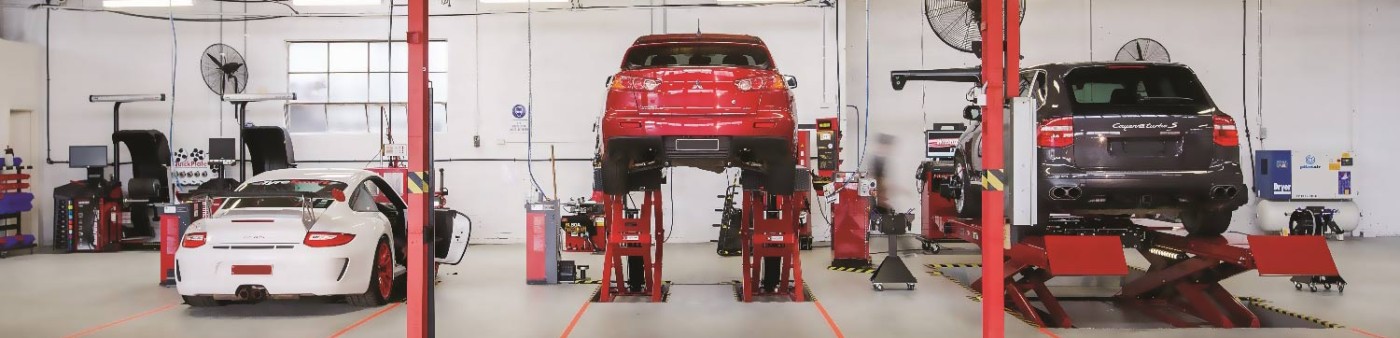
Even if a car looks pristine and the history report is clean, never buy a used luxury car without a Pre-Purchase Inspection by an independent specialist. Do not rely on the seller’s mechanic.
An independent technician who specializes in that specific brand can identify subtle signs of wear that a generalist might miss. They can check the health of the turbochargers, scan for hidden electronic codes, and inspect the underside for signs of oil leaks or structural corrosion. An inspection typically costs between $200 and $500, but it can save you $5,000 in unforeseen repairs down the road. It is the single best investment you can make during the buying process.
Conclusion
Buying a used luxury car is a brilliant way to enjoy a superior driving experience without the financial sting of new-car depreciation. By focusing on CPO models, insisting on a documented service history, accounting for the higher cost of maintenance, and always performing a professional inspection, you can drive a world-class machine with confidence.
The goal is to find the “sweet spot”—a vehicle that has aged enough to be affordable but remains young enough to be reliable. When you find that perfect balance, you’ll realize that the best view of the road is often from the driver’s seat of a well-maintained, pre-owned luxury masterpiece.