Architecture of Persuasion: The Strategic Evolution of Dealership Design
For decades, the traditional automotive dealership followed a highly predictable, utilitarian blueprint. It usually featured a sterile, brightly lit showroom wrapped in massive glass windows. A sea of asphalt packed with rows of glinting vehicles outside, and a hidden, noisy service bay tucked away at the back. The primary goal was simple: pack as much physical inventory onto the lot as possible. And push consumers toward a high-pressure sales desk.
However, the rise of digital retail, changing consumer expectations. And a massive shift toward electric and hybrid mobility have completely disrupted this old model. Today, consumers do eighty percent of their car research online before ever setting foot in a physical showroom. When they finally do visit, they are not looking for basic product information—they are looking for an experience. Consequently, modern dealership design has evolved from a simple storage lot into a sophisticated, hospitality-driven brand sanctuary. Here is how strategic design is reshaping the automotive retail experience.
1. Transforming the Showroom into a Premium Retail Lounge
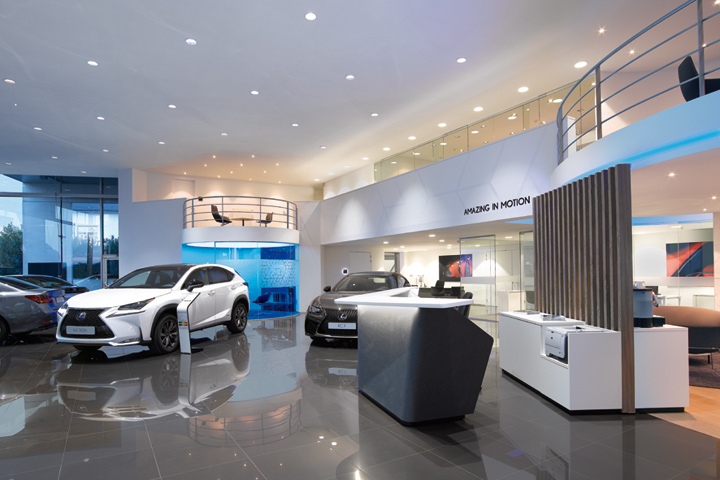
The first impression a customer receives when walking through a dealership’s doors is heavily dictated by interior architecture. Modern design trends have discarded the cold, corporate office aesthetic in favor of warm. Open-concept spaces that resemble luxury hotel lobbies or high-end tech boutiques.
The Open-Concept, Hospitality-First Layout
Traditional cubicles and barriers that separated sales representatives from customers have been dismantled. Instead, contemporary showrooms feature open spaces with comfortable lounge seating, communal worktables with charging stations, and premium espresso bars. By lowering the physical barriers, the architecture fosters a collaborative, low-pressure atmosphere. It changes the dynamic from a tense negotiation into a comfortable lifestyle conversation.
Dedicated Digital Interaction Zones
Because modern vehicles are essentially computers on wheels, physical car displays are now seamlessly paired with digital design elements. Dealerships integrate interactive configuration zones featuring massive LED video walls and touchscreen tables. Customers can visually customize their dream vehicle—swapping paint colors, wheel designs, and interior leather trims in real-time—bringing a touch of digital magic directly into the physical space.
2. Integrating the Service Drive as a Premium Experience
Historically, the service department was treated as an afterthought in terms of aesthetics—often dark, industrial, and hidden from view. Modern dealership design completely reverses this, recognizing that the service drive is the primary engine for long-term customer retention and loyalty.
The Glass-Walled “Tech Center” Aesthetic
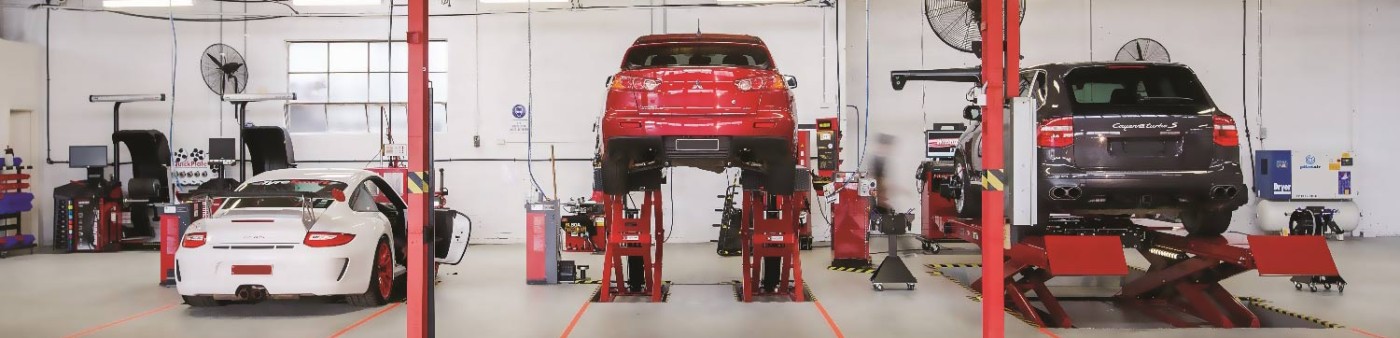
Progressive dealerships now treat their service bays like high-tech laboratories. By utilizing floor-to-ceiling glass partitions between the customer lounge and the workshop, dealerships proudly showcase their cleanliness, state-of-the-art diagnostic machinery, and certified technicians. This radical architectural transparency builds immediate psychological trust, reassuring the customer that their vehicle is being handled with absolute precision and care.
The Drive-In Reception Canopy
To make maintenance completely frictionless, modern facilities utilize climate-controlled, drive-in reception lanes. Customers pull their vehicles directly inside a sleek, covered canopy where automated scanners read tire tread depth, check wheel alignment, and log the vehicle into the system instantly. The customer can then step straight into a pristine waiting environment without ever dealing with harsh weather or walking across a greasy garage floor.
3. Embracing Sustainability and Multi-Energy Infrastructure
As global automakers transition toward electrified and hybridized lineups, the physical architecture of dealerships must change to support these new technologies. Sustainable design is no longer an option; it is an operational requirement.
Clean Energy and Architectural Harmony
Modern dealerships increasingly incorporate sustainable building materials, energy-efficient LED lighting systems, and massive solar panel arrays on their expansive roofs. These design choices lower massive utility overhead costs while visually aligning the dealership with the eco-conscious values of modern buyers.
The Visible Charging Ecosystem
A crucial element of contemporary dealership design is the integration of high-speed charging infrastructure. Fast-charging stations are no longer hidden away in the back lot; they are prominently featured at the front of the facility. Beautifully designed canopy structures equipped with solar roofs shield charging stations from the elements, signaling to passersby that the dealership is fully equipped and ready to spearhead the future of mobility.
Conclusion
Dealership design is no longer just about creating a roof to keep vehicles dry; it is a vital, silent salesperson. By transitioning away from rigid, transactional layouts and embracing open hospitality lounges, high-tech transparent service drives, and sustainable infrastructure, automotive retail spaces are completely redefining their relationship with the consumer.
The dealerships that thrive in this competitive era understand that while a consumer can click buttons online to buy a car, they still crave human connection, community, and sensory validation. A brilliantly designed dealership turns a massive financial transaction into an unforgettable celebratory milestone, proving that physical retail spaces remain an irreplaceable pillar of the automotive world.