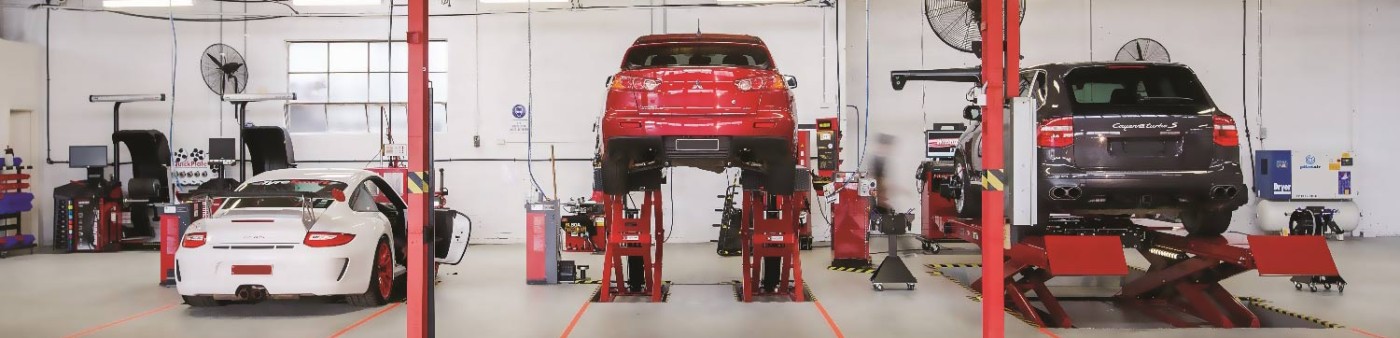
Engineering Precision: The Anatomy of Automotive Parts For The Professional
In the automotive world, there is a vast and defining gulf between a casual DIY hobbyist and a seasoned automotive technician. While a hobbyist might prioritize cost or ease of installation for a weekend project. A professional mechanic looks at a vehicle through the lens of liability, precision engineering, and long-term durability. When a vehicle enters a professional bay, it represents a client’s safety. A business’s operational workflow, and the technician’s own reputation.

For the automotive professional, a component is never just a piece of metal or molded rubber. It is a critical link in a complex mechanical ecosystem. To maintain the highest standards of repair, the modern automotive industry relies on a specific class of components designed explicitly to meet professional demands. Here is an in-depth look at what defines auto parts for the professional.
1. The Strict Standards of Professional-Grade Components
When a vehicle leaves a commercial repair shop, it is expected to perform flawlessly under harsh, real-world conditions. Professional-grade parts are built to eliminate the guesswork and frequent failures often associated with budget, entry-level components.
Exacting Original Equipment (OE) Specifications
Professional technicians overwhelmingly prefer parts that match or exceed Original Equipment (OE) standards. This means the replacement part is manufactured using the exact same dimensions, metallurgical composition. And tolerances as the factory part installed by the automaker. An OE-spec part ensures a perfect fit the first time, eliminating the need for dangerous modifications. Or forced installations that consume billable shop hours.
Premium Material Composition
Standard retail auto parts often cut corners by using inferior alloys, thinner plastics, or lower-grade rubber compounds to keep retail prices low. In contrast, professional-grade parts utilize advanced engineering materials. For example, professional brake rotors feature high-carbon metallurgy to resist thermal warping under heavy braking, while professional chassis parts utilize premium polyurethane bushings instead of standard rubber to withstand severe road vibrations and chemical exposure over hundreds of thousands of miles.
2. Maximizing Shop Efficiency and Reducing Comebacks
In the automotive repair business, time is the ultimate currency. A bay occupied by a vehicle requiring a re-repair is a bay that is losing money. Professional-grade auto parts are intentionally packaged and engineered to optimize workshop efficiency.
The Innovation of Complete Installation Kits
One of the greatest advancements in professional auto parts is the shift toward complete, all-in-one installation kits. Instead of forcing a technician to source individual gaskets, specialized bolts, and O-rings from multiple vendors, premium manufacturers bundle every single single-use component required for a specific job into one box. Whether it is a timing chain kit or a complete strut assembly, these comprehensive packages ensure the job can be completed continuously without unexpected delays.
Eradicating the Dreaded “Comeback”
A “comeback” occurs when a customer returns to a shop because a recently installed part has failed. This is a worst-case scenario for a business owner, as it requires performing labor a second time for free, while severely damaging customer trust. By investing in high-tier professional parts that carry robust commercial warranties, shop owners insulate themselves from premature component failure, keeping their bay turnover high and their client base satisfied.
3. The Digital Integration of the Modern Supply Chain
The definition of a professional auto part extends beyond the physical component itself; it also encompasses the digital ecosystem that allows a technician to identify, order, and receive that part within minutes.
Advanced Cataloging and VIN Decoding
Modern professional parts distributors utilize highly sophisticated Electronic Parts Catalogs (EPCs). By inputting a vehicle’s unique 17-digit Vehicle Identification Number (VIN), a professional technician can instantly bypass trim-level variations and production-date discrepancies. This hyper-accurate decoding guarantees that the part ordered is an absolute match for that specific vehicle configuration, drastically reducing ordering errors.
On-Demand Commercial Logistics
For a professional shop, waiting days for a part to arrive via standard shipping is rarely an option. The professional auto parts ecosystem relies on dedicated commercial delivery fleets. Networked distribution warehouses strategically positioned throughout urban hubs allow parts distributors to deliver commercial-grade components directly to a shop’s garage door within 30 to 45 minutes of a digital order being placed. This seamless supply chain is what keeps the transportation infrastructure of our society moving without interruption.
Conclusion
Auto parts for the professional represent the intersection of uncompromising metallurgy, practical workshop economics, and advanced logistical engineering. They are built for individuals who understand that a vehicle repair is an exercise in public safety and professional pride.
By prioritizing exact OE specifications, utilizing premium materials, opting for comprehensive installation kits, and leveraging rapid commercial supply networks, automotive professionals can deliver repairs that stand the test of time. In an industry where a fraction of a millimeter can mean the difference between a smooth ride and a catastrophic failure, cutting corners with sub-par components is never an option. For the true professional, quality is the only specification that matters.