Navigating the Market for Used Cars for Sale in 2026
The automotive landscape has reached a fascinating turning point in 2026. While the allure of a brand-new vehicle with the latest “zero-mile” smell is undeniable, the savvy modern consumer increasingly looks toward the pre-owned market. Buying a used car is no longer just about saving money; it is about making a calculated financial decision in an era where new car prices remain elevated and technology moves faster than ever.
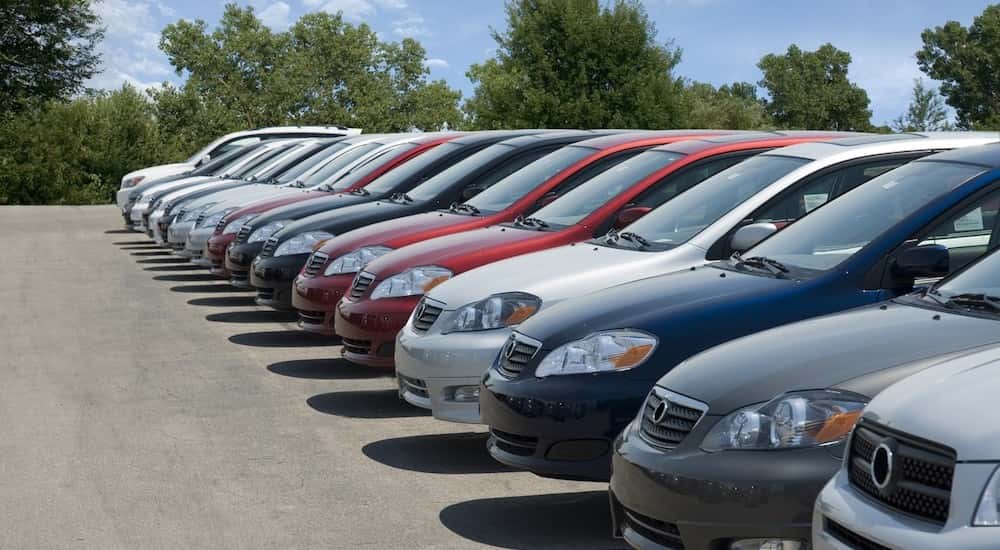
In today’s market, a three-year-old vehicle often possesses 90% of the technology found in a brand-new model but at a fraction of the cost. However, the used car market is not without its complexities. From the surge in hybrid demand to the stabilization of retail prices, navigating “used cars for sale” requires a blend of digital research and old-school mechanical due diligence. This article serves as your comprehensive guide to finding, evaluating, and securing the best value in the secondary market.
Understanding the 2026 Market Dynamics
As we move through 2026, the used car market has finally found its rhythm after years of post-pandemic volatility. Inventory levels have stabilized, though “recent” used models (those aged 1 to 3 years) remain highly sought after due to the production lulls of previous years.
One of the most significant trends this year is the Hybrid Renaissance. While fully electric vehicles (EVs) are popular, used hybrids like the Toyota RAV4 Hybrid or Honda CR-V Hybrid are currently the “gold nuggets” of the market. They offer the perfect middle ground: exceptional fuel efficiency without the range anxiety or the steeper depreciation curves currently affecting some luxury EVs. If you are looking for the best price-to-value ratio, the sedan segment—particularly models like the Honda Civic or Toyota Corolla—remains a “hotspot” for buyers, with prices showing a slight downward correction compared to the ever-popular SUVs.
The Essential Checklist: How to Evaluate a Used Car
Finding a car that looks good in photos is easy; finding one that is mechanically sound requires a systematic approach. Before you sign any paperwork, follow this rigorous evaluation process:
1. Digital Due Diligence
Before even visiting a seller, run a comprehensive vehicle history report using the VIN (Vehicle Identification Number). In 2026, transparency is higher than ever. Look for a “clean title”—meaning the car hasn’t been declared a total loss by an insurer. Pay close attention to service records; a car with a documented history of regular oil changes and scheduled maintenance is worth a premium over a “mystery” vehicle with no records.
2. The Cold Start and Physical Inspection
When you meet the seller, ask that the engine be “cold” (not driven recently). Listen for any rattles or uneven idling upon startup. Inspect the body panels in natural light; mismatched paint or uneven gaps between doors often indicate previous accident damage that wasn’t reported to insurance. Check the tires for uneven wear, which could signal alignment or suspension issues.
3. The Professional “Second Opinion”
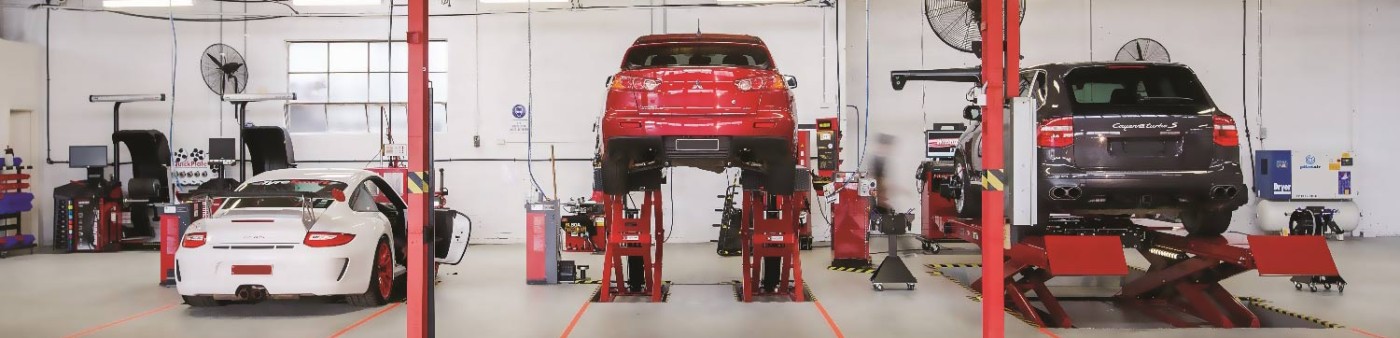
Never skip the Pre-Purchase Inspection (PPI). Even if a dealership offers their own multi-point inspection, hiring an independent mechanic to spend an hour with the car is the best $200 you will ever spend. They can find “invisible” issues, such as a leaking head gasket or a fraying timing belt, that could cost you thousands later.
Strategic Financing: Thinking Beyond the Monthly Payment
In 2026, interest rates for auto loans have stabilized between 6% and 8% for those with good credit. While it is tempting to focus only on the monthly payment, the most successful buyers look at the Total Cost of Ownership (TCO).
A cheaper used car with 120,000 miles might have a lower monthly payment, but if it requires $3,000 in repairs within the first year, your “deal” quickly disappears. Conversely, a slightly more expensive “Certified Pre-Owned” (CPO) vehicle often comes with a manufacturer-backed warranty and lower interest rates, potentially saving you money over a three-year period. A good rule of thumb: if you have to finance a used car for more than 60 months to make the payment “affordable,” you are likely buying too much car.
Where to Shop: Dealerships vs. Private Sellers
Each sourcing method has its own set of advantages in the 2026 market:
- Franchised Dealerships: Best for “Certified Pre-Owned” vehicles. They offer the most security, easier financing, and recourse if something goes wrong, but they typically have the highest prices.
- Independent Retailers: These shops often have a wider variety of brands and price points. They are excellent for finding reliable “commuter” cars in the $15,000–$25,000 range.
- Private Party Sales: This remains the best way to find a bargain. Without the overhead of a showroom, private sellers often price their cars closer to “wholesale” value. However, the “as-is” nature of these sales means your inspection process must be flawless.
Conclusion: Patience is Your Greatest Asset
The quest for the perfect used car is a marathon, not a sprint. In 2026, the market rewards the patient, informed buyer. By understanding current trends—such as the value in sedans and the reliability of hybrids—and maintaining a strict adherence to mechanical inspections, you can secure a vehicle that provides years of stress-free service.
Remember, a car is a tool for your lifestyle and a significant part of your financial health. Don’t be pressured by “limited time offers” or aggressive sales tactics. There are millions of used cars for sale; if one deal doesn’t feel right, the right one is likely just a few scrolls away.